Quick Info
Location: 251 Tongil-ro, Seodaemun-gu, Seoul, South Korea
Korean Name: 서대문형무소역사관
Nearest Subway: Dongnimmun Station (독립문역), Line 3
Recommended Exit: Exit 5
Admission: Adults ₩3,000 / Teenagers ₩1,500 / Children ₩1,000
Opening Hours: March–October 09:30–18:00 / November–February 09:30–17:00
Closed: Mondays, January 1, Lunar New Year and Chuseok
Recommended Visit: 1–2 hours
Best For: Korean history, independence history, families, educational travel
Main Highlights: Historic prison buildings, independence movement exhibitions, independence activists and Taegeukgi displays
With Children: Some interrogation and torture-related exhibits may be frightening for young children

✔ Google Maps
👉 Seodaemun Prison History Hall – Directions from Your Current Location
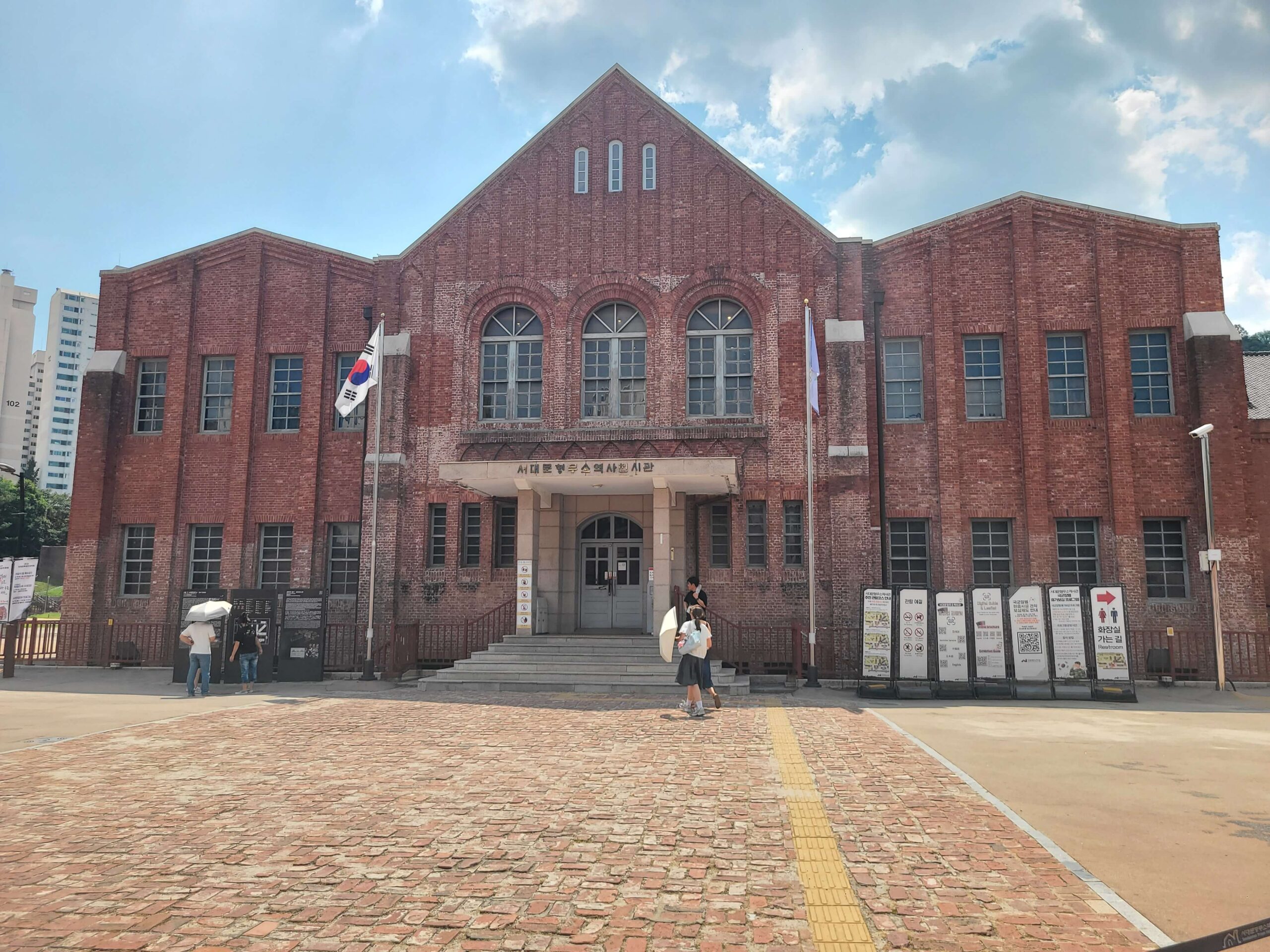
Seodaemun Prison History Hall (서대문형무소역사관) is a historical site in Seoul where visitors can learn about Korea’s modern history and the Korean independence movement.

The former prison was used during the Japanese colonial period to imprison many people involved in the Korean independence movement. Today, the preserved site operates as a history museum.
I visited Seodaemun Prison History Hall with my children after visiting Gyeongbokgung Palace and the National Palace Museum of Korea.

The experience was very different from visiting a royal palace.
Inside, we saw historical prison buildings, exhibitions about the independence movement, photographs of independence activists and displays related to the Taegeukgi.
Some exhibits were difficult for my young children, but other parts were easy to follow and helped us better understand this period of Korean history.
For me, the most memorable exhibit was a large wall filled with photographs of independence activists.
Seeing so many individual faces made the history feel much more personal.
Why Visit Seodaemun Prison History Hall?
Seodaemun Prison offers a different perspective on Korean history from Seoul’s palaces and traditional attractions.
The preserved prison buildings and exhibitions explain the history of the site and introduce people and events connected with the Korean independence movement.
Visitors can see historic prison buildings, cells, photographs, documents and exhibitions about imprisonment and interrogation.
If you are interested in understanding Korea beyond its palaces, food and modern attractions, Seodaemun Prison provides important historical context.
It also fits naturally into a historical route through central Seoul.
Gyeongbokgung Palace – Royal history
National Palace Museum of Korea – Royal culture and artifacts
Seodaemun Prison History Hall – Modern Korean history and the independence movement
Korea’s Road to Independence – 4 Key Periods
Foreign visitors may not be familiar with the historical background of the exhibitions.
This short timeline can make the museum easier to understand.
1. 1910–1918 – Colonial Period and Resistance

Korea was annexed by Japan in 1910, beginning a period of Japanese colonial rule that continued until 1945.
Resistance and independence activities took place during this period, and people involved in these movements were among those imprisoned at Seodaemun Prison.
2. 1919 – March 1st Movement
On March 1, 1919, demonstrations calling for Korean independence began and spread across the country.
Many participants were arrested.
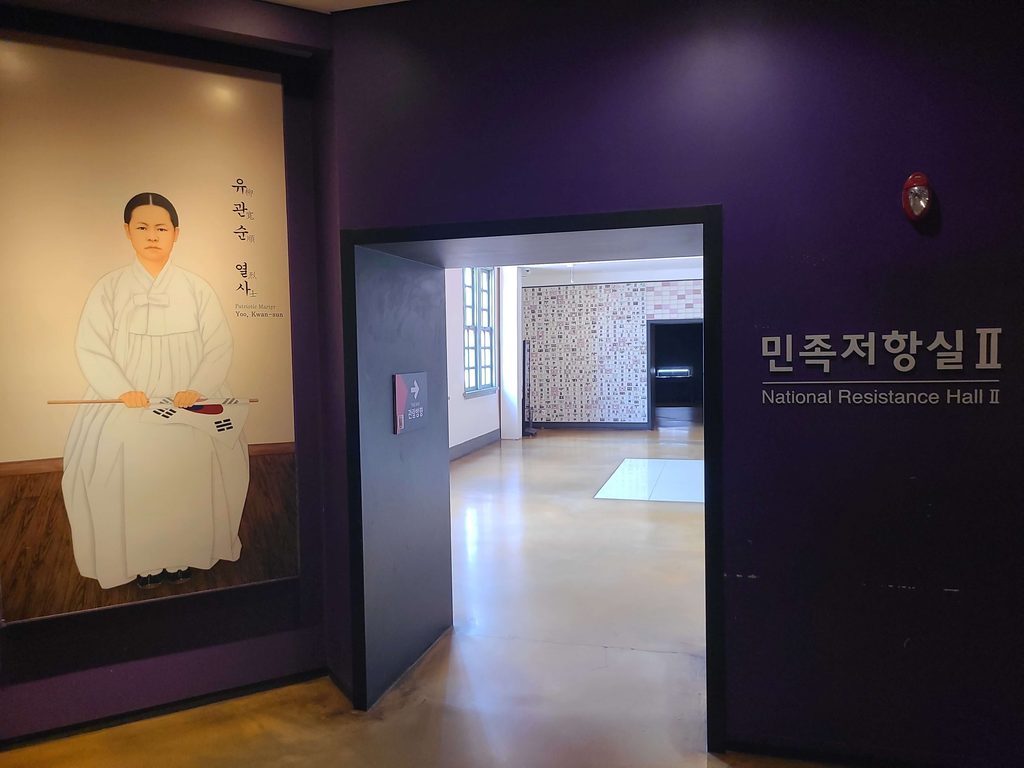
One of the best-known people associated with Seodaemun Prison is Yu Gwan-sun (유관순), a young participant in the independence movement who was imprisoned here and died in prison in 1920.
3. 1920s–1930s – Independence Activities Continue
Korean independence activities continued both inside Korea and overseas during the following decades.

The museum introduces people and organizations connected with these movements through photographs, documents and historical explanations.
4. 1945 – Liberation
Japanese colonial rule ended in August 1945 following Japan’s surrender at the end of World War II.
Knowing this basic timeline before visiting makes many of the exhibitions easier to understand.
Visiting with My Children
I visited Seodaemun Prison with my children.
On the first floor, we entered an exhibition area related to interrogation and torture.
My children found the exhibits frightening, so we only looked around briefly and then moved on.
Parents visiting with young children should be aware that some sections contain sensitive historical material.
You don’t need to spend a long time in these areas.
There are many other exhibitions where families can learn about Korean modern history and the independence movement.
For our family, briefly seeing this section and then continuing to the other exhibitions worked better.
Independence Movement Exhibitions
I thought the exhibitions explaining the Korean independence movement were well organized and relatively easy to follow.
Historical photographs, documents and explanations introduce visitors to important events and the people involved.

This is particularly useful for international travelers who may know little about modern Korean history before visiting.
Instead of simply walking through an old prison, the exhibitions help visitors understand who was imprisoned here and why the site is historically significant.
The Wall of Independence Activists
One of the most memorable parts of my visit was a large wall covered with photographs of Korean independence activists.
Many individual faces are displayed together.
This made a strong impression on me.
Reading historical dates and numbers is one thing, but seeing the faces of individual people feels different.
Each photograph represents a real person who lived during this period.
For me, this was the exhibit that made the history feel most personal.
Taegeukgi and Korean History
Visitors can also see historical materials related to the Taegeukgi (태극기), Korea’s national flag.

One of the Taegeukgi exhibits was particularly interesting because of the materials and construction used to create the flag.
There is also a large Taegeukgi displayed with the historic prison buildings.
The flag together with the preserved red-brick architecture creates one of the most recognizable views at Seodaemun Prison.
It is also one of the photographs I recommend taking during a visit.
Historic Red-Brick Prison Buildings
The outdoor area is also an important part of the visit.
Historic red-brick buildings, prison walls, windows and other preserved structures remain throughout the site.

I took four exterior photographs from different angles.
Walking around the grounds gives visitors a better idea of the size and layout of the former prison complex.
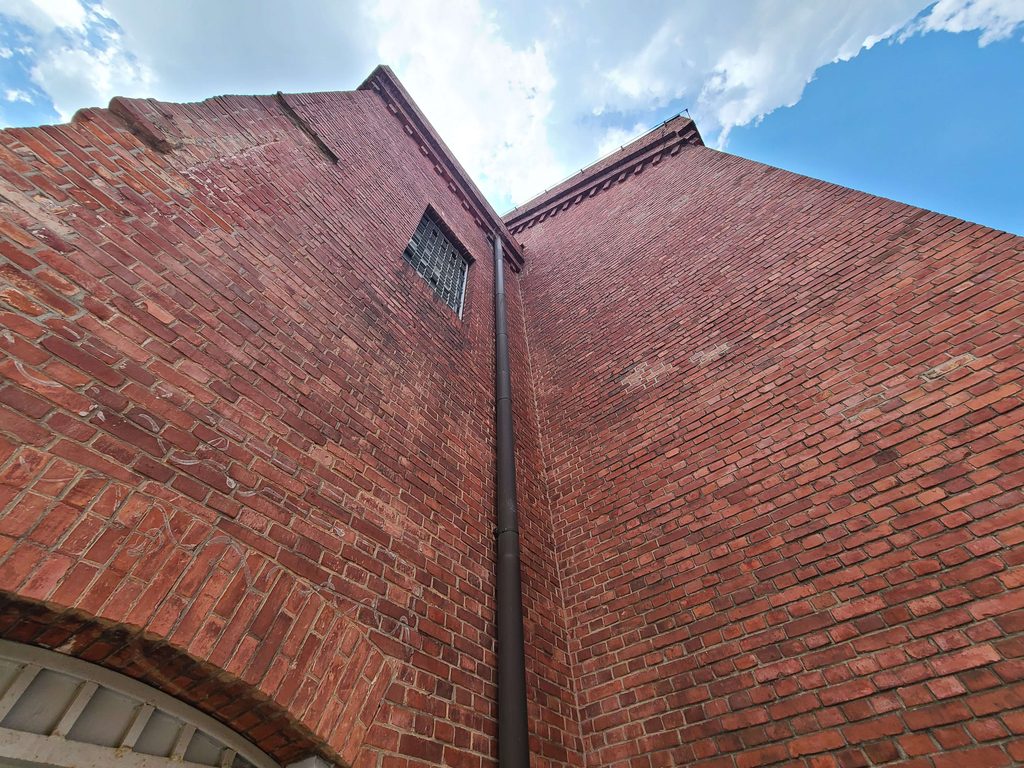


The architecture also creates a very different atmosphere from Seoul’s palaces, shopping districts and modern attractions.
Don’t leave immediately after seeing the indoor exhibitions.
Take some time to walk around the historic buildings as well.
My Experience at Seodaemun Prison
For me, Seodaemun Prison was more than another sightseeing stop in Seoul.
Seeing the buildings, historical exhibitions and photographs of independence activists helped me understand this period of Korean history more clearly.
The wall filled with individual photographs was especially memorable.
History can sometimes feel distant when it is explained only through dates and written information.
Seeing individual faces reminded me that these historical events were experienced by real people.
After learning about the hardships and sacrifices of previous generations, I felt that I should appreciate the life I have today and work harder in my own life.
That was my personal feeling after visiting Seodaemun Prison.
Gyeongbokgung to Seodaemun Prison – Our History Route
We visited three historical attractions together:
Gyeongbokgung Palace → National Palace Museum of Korea → Seodaemun Prison History Hall
I think this is a useful route for travelers who want to see different periods of Korean history in one day.
Gyeongbokgung Palace
Visitors can see Gwanghwamun Gate, royal halls, courtyards, pavilions and traditional Korean palace architecture.
Visiting Gyeongbokgung first provides a good introduction to Korea’s royal history.
→ Read my Gyeongbokgung Palace Guide
National Palace Museum of Korea
The National Palace Museum of Korea is located next to Gyeongbokgung Palace.
Its exhibitions introduce the history and culture of the Joseon royal court and the Korean Empire.
We visited the museum after Gyeongbokgung.
Because it is indoors, it was also a comfortable stop while traveling with children.
→ Read my National Palace Museum of Korea Guide
Continue to Seodaemun Prison
The nearest subway station to Seodaemun Prison History Hall is Dongnimmun Station (독립문역) on Line 3.
Use Exit 5.
From Exit 5, the history hall is about 200 meters away, making the final walk short and easy.
This gives travelers a simple Seoul history route:
Royal Korea → Royal History Museum → Modern Korean History
Tips Before You Visit
Allow 1–2 hours.
If you want to read most of the historical explanations, allow additional time.
Be aware of sensitive exhibits.
Some interrogation and torture-related displays may be frightening for young children.
Know the basic timeline.
Remembering 1910 → 1919 → 1920s–1930s → 1945 makes the exhibitions easier to understand.
Don’t miss the independence activists photo wall.
This was the most memorable exhibit for me.
Explore the outdoor buildings.
The preserved red-brick prison buildings are an important part of the experience.
Nearby Attractions
1. Gyeongbokgung Palace
One of Seoul’s major Joseon Dynasty palaces and a great place to begin a historical day in Seoul.
→ Read my Gyeongbokgung Palace Guide
Best Things to Do Near Gyeongbokgung Palace – Hidden Food Spots & 1 Day Seoul Itinerary (2026)
2. Seoul 1-Day Trip
Explore some of Seoul’s major historical and cultural attractions in one day, including palaces, museums and popular neighborhoods.
→ Read my Seoul 1-Day Trip Guide
Jongno 1 Day Itinerary – Best Things to Do Near Gyeongbokgung Palace
3. Seochon
Seochon is located near Gyeongbokgung Palace and is a convenient area for restaurants, cafés and walking through older neighborhood streets.
→ Read my Seochon Guide
Things to Do in Seochon Seoul – Hidden Gem Near Gyeongbokgung Palace
4. Deoksugung Palace
A historic palace in central Seoul known for its traditional buildings, Western-style architecture and famous stone-wall road.
→ Read my Deoksugung Palace Guide
Deoksugung Palace Guide – The Royal Palace of the Korean Empire in Seoul
5. Dongdaemun Design Plaza (DDP)
One of Seoul’s most recognizable modern landmarks, known for its unique architecture, exhibitions and nearby shopping areas.
→ Read my Dongdaemun DDP Guide
Best Things to Do Near Dongdaemun – DDP, Markets and Street Food
Places to Visit After Seodaemun Prison
1. Unlimited Galbi & Samgyeopsal
An all-you-can-eat Korean BBQ restaurant where you can enjoy galbi and samgyeopsal at a reasonable price.
$15 Korean BBQ Buffet in Jongno Near Gyeongbokgung Palace – All-You-Can-Eat
2. Meongseokjip
A local Korean restaurant serving traditional Korean dishes in a casual atmosphere.
Best Korean BBQ in Jongno – 3 Must-Try Pork Belly Spots in Ikseon-dong
3. Gul Bossam
A popular Korean dish featuring tender boiled pork served with fresh oysters, kimchi and various side dishes.
Best Oyster Bossam Restaurant in Jongno – Must-Try Korean Food in Seoul
4. Bunshin Wang Mandu
A local dumpling shop known for large Korean-style steamed dumplings.
Best Local Street Food in Jongno Seoul – Wang Mandu Korean Dumplings You Must Try
5. Dakgalbi
A popular Korean dish made with spicy stir-fried chicken, vegetables and a savory gochujang-based sauce.
10 Best Restaurants in Jongno, Seoul: Must-Try Dakgalbi & Korean Food Near Gyeongbokgung Palace
Practical Information
Address: 251 Tongil-ro, Seodaemun-gu, Seoul
Subway: Line 3, Dongnimmun Station
Exit: Exit 5
Walking Distance: About 200 meters
Opening Hours: March–October 09:30–18:00 / November–February 09:30–17:00
Closed: Mondays, January 1, Lunar New Year and Chuseok
Admission: Adults ₩3,000 / Teenagers ₩1,500 / Children ₩1,000
Recommended Visit: 1–2 hours
Recommended Route: Gyeongbokgung Palace → National Palace Museum of Korea → Seodaemun Prison History Hall
Seodaemun Prison History Hall preserves an important part of Korea’s modern history through historic buildings, photographs, documents and exhibitions.
For me, combining the historical information with the actual prison buildings and the photographs of individual people made the visit especially memorable.
✔ Google Maps
👉 Seodaemun Prison History Hall – Directions from Your Current Location
Review
Visited Seodaemun Prison History Hall? Share your experience and help future travelers learn more about Korean history.